
Chlorine
- To maintain the proper level of residual chlorine when bather load is heavy, shock your pool once a week with a 3 to 5 times higher than normal dose of chlorine. Do not enter the pool until the chemical level is normalized.
- Chlorine is broken down by the sun’s ultraviolet rays. Using cyanuric acid to stabilize the chlorine in your pool at the beginning of the swim season will help you maximize your chlorine’s efficiency all summer long.
- Filters remove suspended particles from pool water, but don’t control bacteria or algae. Maintain a residual chlorine level of 1.0-3.0 ppm (parts per million) to kill bacteria and/or algae present in the water.
pH Level
- The ideal pH for pool water is 7.5. A pH range of 7.4-7.6 is considered acceptable.
- Maintaining a total alkalinity (T.A.) range from 80-120 ppm (parts per million) will help minimise changes in pH, which can result in scaling and corrosion. Frequent testing can help prevent these problems before they get out of hand.
Quality
- To ensure accurate readings, replace test kit reagents annually.
- To ensure the highest water quality, test your pool’s pH and free chlorine levels daily, adding chemicals as needed.
- Proper chemical usage is important for maintaining a healthy pool. Be sure to follow the chemical manufacturer’s instructions closely regarding proper dosage for your size pool.
Add an algaecide and chlorine to your pool before covering it for the winter. It will ensure that the water is clear and algae-free when you reopen it the following season.
More tips and advice

PENTAIR LAUNCHES NEW PRODUCT CATALOGUE FOR 2026
The 2026 Pentair Pool Catalogue is here — and it’s packed with innovation! We’re thrilled to unveil our most exciting…
More tips and advice
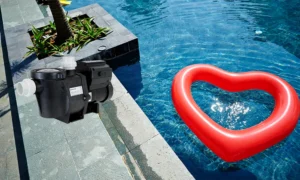
THE BASICS – THE SWIMMING POOL PUMP
The Heart of the Pool’s Circulation System. The pump moves water through the filter, heater or heat pump, salt chlorine generator,…
Posted in Pool Tips